
Whey Protein
Alternative Names
- Whey Protein Powder
- Whey Protein Supplement
- Whey Powder
- Whey Isolate
- Whey Protein Isolate (WPI)
- Whey Protein Concentrate (WPC)
- Hydrolyzed Whey Protein (WPH)
Background
- This page refers to whey protein
History
- Hippocrates described whey as a therapeutic substance, referring to it as “serum” and recommending it for health and healing[1]
- For centuries, whey was largely considered a waste product of dairy processing
- 1900s: advances in food science and filtration technologies transformed whey from waste into a valuable nutritional protein source
- By the late 20th and early 21st centuries, whey protein became a cornerstone of sports nutrition
Introduction


General
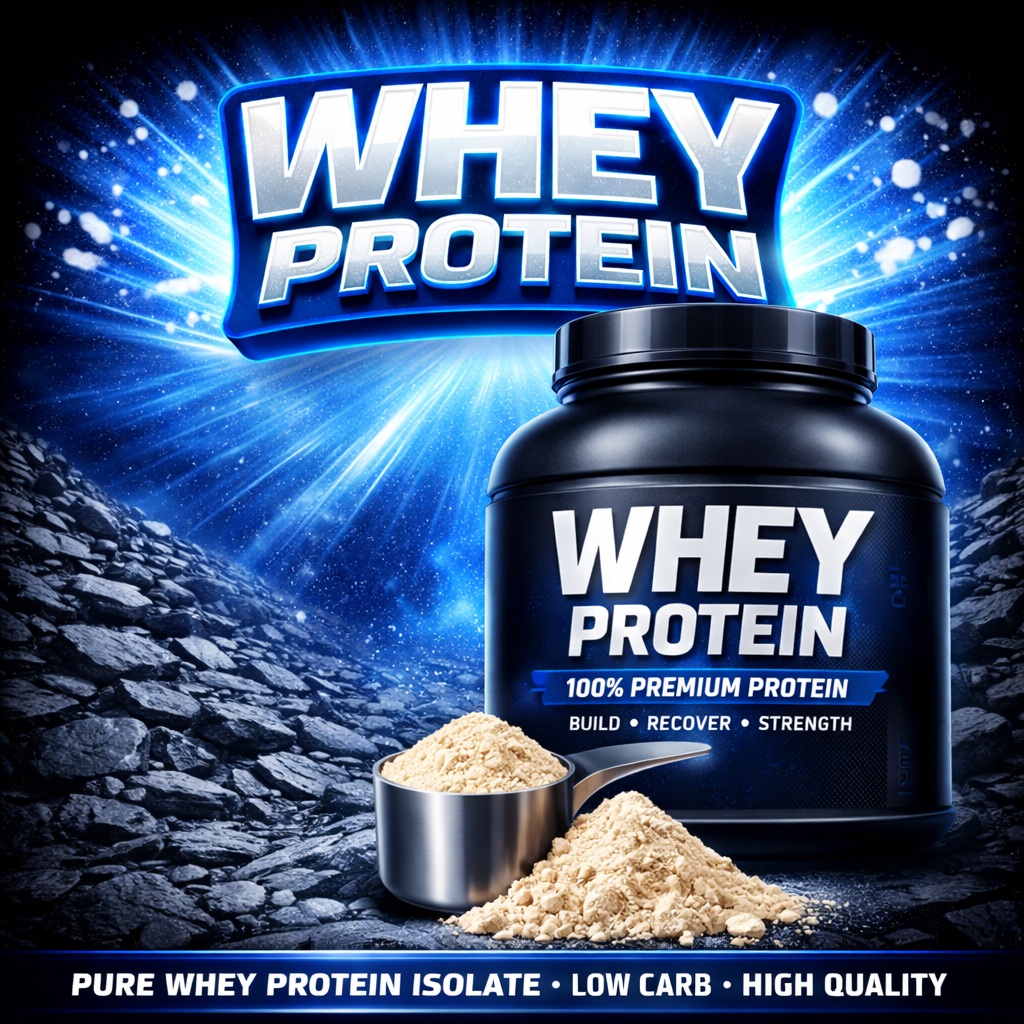
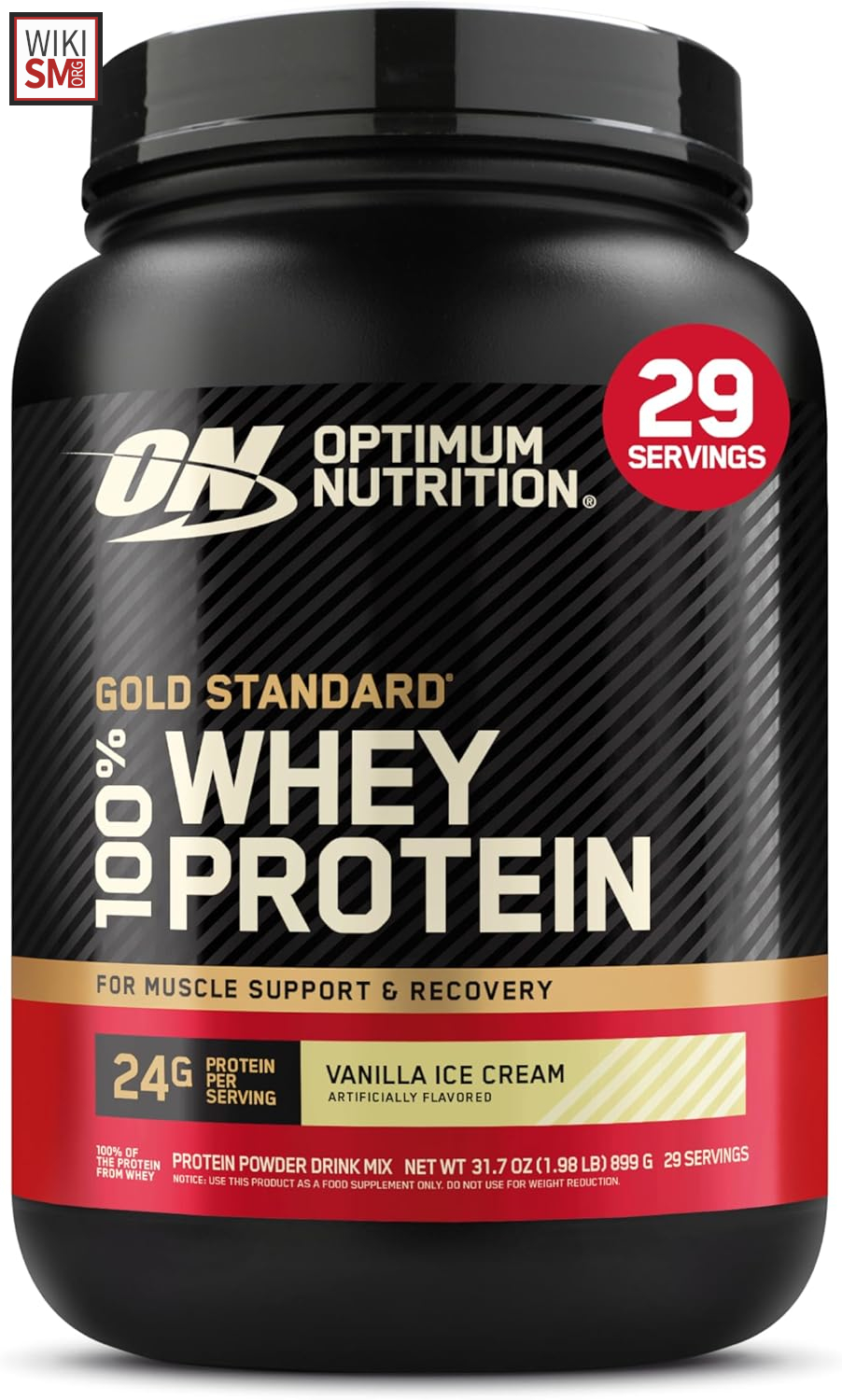
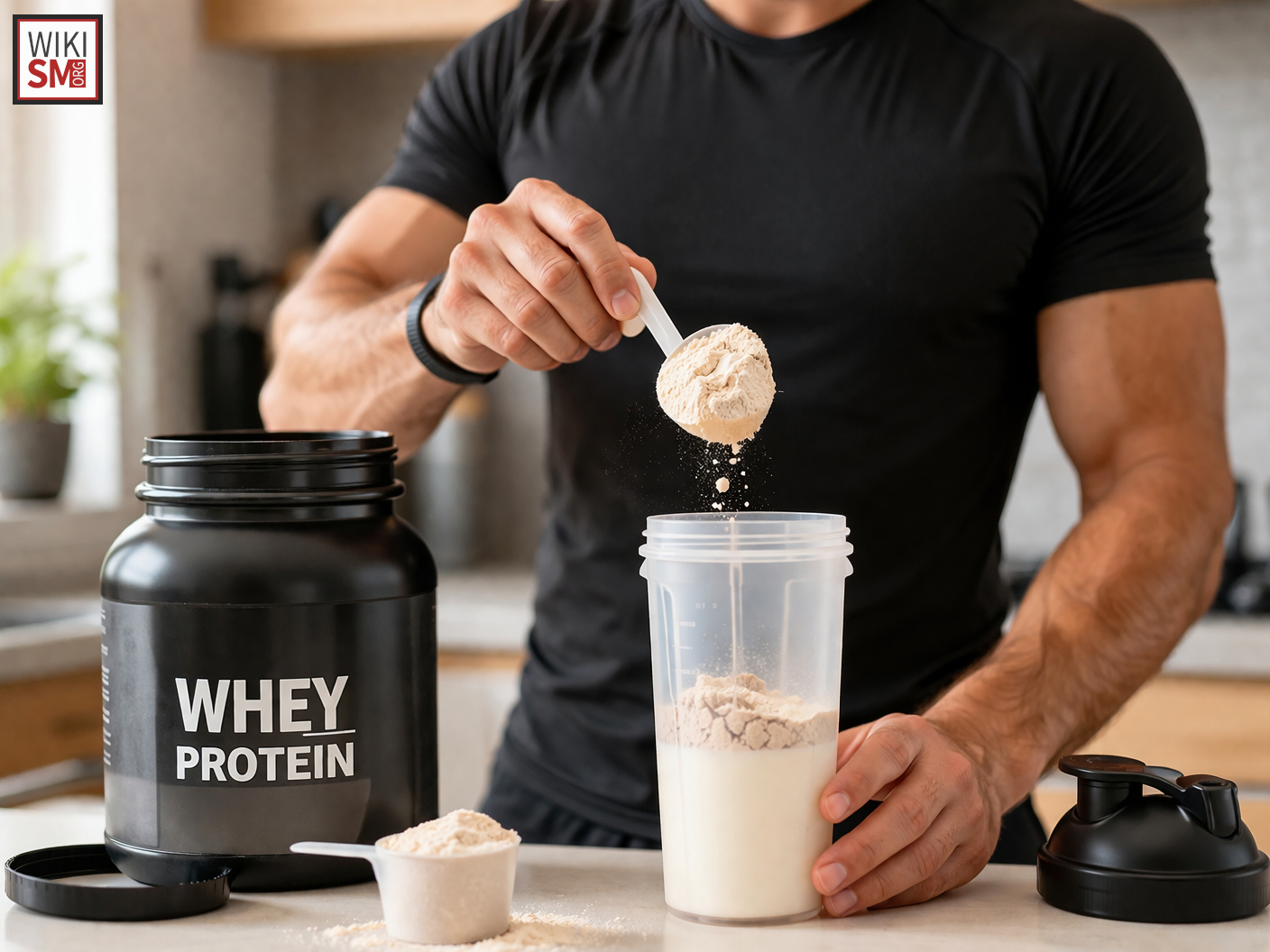
- Whey is derived from the liquid byproduct of cheese production
- Considered a complete protein (contains all 9 essential amino acids)
- Rich in branched-chain amino acids (BCAAs), especially leucine
- Rapidly digested and absorbed → ideal for post-exercise recovery
Common Forms
- Whey Protein Concentrate (WPC) (~70–80% protein)
- Whey Protein Isolate (WPI) (>90% protein, lower lactose)
- Hydrolyzed Whey Protein (WPH) (pre-digested for faster absorption)
Mechanism
- High leucine content activates the mTOR pathway, driving muscle protein synthesis
- Rapid digestion leads to a quick rise in plasma amino acids, creating a strong anabolic response
- Enhances muscle protein synthesis (MPS) and improves overall net protein balance
- Helps reduce muscle protein breakdown, especially around exercise
- Stimulates insulin release, promoting amino acid uptake and supporting muscle growth
Controversy
- Not a particularly controversial supplement
- The “anabolic window” is broader than once thought, with protein intake effective over several hours rather than immediately post-workout
- High protein intake is generally safe for healthy individuals, but caution is advised in those with kidney disease
- About 20–40 g of protein per serving maximally stimulates muscle protein synthesis, with excess used for energy or other functions
- Whey protein is convenient and rapidly absorbed, while whole foods provide additional nutrients and better satiety
- Some supplements contain artificial additives or lower-quality ingredients, raising concerns about purity and long-term health effects
Athletic Performance Benefits
Strength & Power Performance[4][5]
- Increases muscle strength when combined with resistance training
- Enhances power output through improved muscle adaptation and recovery
Muscle Hypertrophy (Lean Mass Gain)[6][7]
- Promotes increased muscle cross-sectional area
- Supports lean body mass gains with training
- Driven by high leucine content and stimulation of the mTOR pathway
Recovery & Muscle Repair[8][9]
- Accelerates muscle recovery after exercise
- Reduces exercise-induced muscle damage (EIMD)
- May decrease delayed onset muscle soreness (DOMS)
Endurance & Training Capacity[10][11]
- Supports recovery between endurance sessions
- Helps maintain muscle mass during prolonged training
- May improve time to fatigue when combined with carbohydrates
Body Composition & Fat Loss[12][9]
- Helps preserve lean mass during caloric deficit
- Supports fat loss while maintaining muscle
- Increases satiety, aiding adherence to diet
Neuromuscular Performance[13][14]
- Supports muscle function and contractility
- May improve rate of force development
- Helps maintain performance during high training loads
Other Health Benefits


Metabolic Health & Glycemic Control[16][17]
- Improves postprandial blood glucose control
- Enhances insulin sensitivity
- May reduce risk of type 2 diabetes progression
- May reduce blood pressure
- Improves vascular endothelial function
- Associated with improved lipid profiles
- Provides immunoglobulins and bioactive peptides
- Supports glutathione production and antioxidant defenses
- May enhance immune response during stress or illness
Weight Management & Satiety[21][22]
- Increases satiety hormones (GLP-1, PYY)
- Helps reduce overall caloric intake
- Supports long-term weight management
- Increases glutathione levels
- Helps reduce oxidative stress
- Supports cellular recovery
Aging & Sarcopenia Prevention[24][25]
- Helps preserve muscle mass in older adults
- Improves strength and functional mobility
- Reduces risk of sarcopenia
Gastrointestinal Health[1][26]
- Supports gut health through bioactive compounds
- May improve gut barrier function
- Generally well tolerated (lower lactose in isolates)
Dosing
- Typical dose: 20–40 g per serving[27][28]
- ~0.25 g/kg per feeding for MPS
- Daily intake: 1.4–2.0 g/kg/day in active individuals
- Timing flexible; commonly post-exercise
- Adjust based on body size and total intake
Safety Profile
- Generally safe in healthy individuals[27][29][30]
- No clear kidney harm in healthy populations
- Use caution with kidney disease
- Tolerance varies by lactose content
- Avoid with milk allergy
Adverse Effects
- Common: bloating, gas, diarrhea[19][31][32]
- More likely with lactose intolerance
- May react to additives or sweeteners
- Rare: milk protein allergy reactions
- Excess intake → GI discomfort, excess calories
Pharmacokinetics
- Rapid digestion and absorption[7][33][27]
- Quickly raises plasma amino acids
- Strong, short-lived MPS stimulation
- Hydrolysate absorbed fastest
- Used for synthesis, energy, metabolism
Interactions
- Few direct drug interactions[30][19]
- May affect satiety and insulin response
- Consider in kidney or metabolic disease
- Avoid with milk allergy
- Watch added ingredients in blends
WADA Considerations
- Whey protein is not prohibited[34][35][36]
- Main risk: supplement contamination
- Use third-party tested products
- Athletes have strict liability
- Check full ingredient list
See Also
References
- ↑ 1.0 1.1 Smithers, G. W. “Whey and Whey Proteins—From ‘Gutter-to-Gold.’” International Dairy Journal, vol. 18, no. 7, 2008, pp. 695–704.
- ↑ Nagar, S., and S. Nagal. "Whey: Composition, role in human health and its utilization in preparation of value added products." International Journal of Food and Fermentation Technology 3.2 (2013): 93.
- ↑ Davies, Robert W., et al. "Differential stimulation of post-exercise myofibrillar protein synthesis in humans following isonitrogenous, isocaloric pre-exercise feeding." Nutrients 11.7 (2019): 1657.
- ↑ Hoffman, Jay R., and Michael J. Falvo. “Protein – Which Is Best?” Journal of Sports Science & Medicine, vol. 3, 2004, pp. 118–130.
- ↑ Phillips, Stuart M. “A Brief Review of Higher Dietary Protein Diets in Weight Loss: A Focus on Athletes.” Sports Medicine, vol. 44, 2014, pp. S149–S153.
- ↑ Morton, Robert W., et al. “A Systematic Review, Meta-Analysis and Meta-Regression of the Effect of Protein Supplementation on Resistance Training–Induced Gains in Muscle Mass and Strength in Healthy Adults.” British Journal of Sports Medicine, vol. 52, no. 6, 2018, pp. 376–384.
- ↑ 7.0 7.1 Tang, Jason E., et al. “Ingestion of Whey Hydrolysate, Casein, or Soy Protein Isolate: Effects on Mixed Muscle Protein Synthesis.” Journal of Applied Physiology, vol. 107, no. 3, 2009, pp. 987–992.
- ↑ Buckley, John D., et al. “Whey Protein Supplementation and Recovery from Eccentric Exercise.” Journal of Science and Medicine in Sport, vol. 13, no. 2, 2010, pp. 178–181.
- ↑ 9.0 9.1 Pasiakos, Stefan M., et al. “Protein Supplements and Exercise.” Nutrition, vol. 31, no. 1, 2015, pp. 1–7.
- ↑ Ivy, John L., et al. “Early Postexercise Muscle Glycogen Recovery Is Enhanced with a Carbohydrate-Protein Supplement.” Journal of Applied Physiology, vol. 93, no. 4, 2002, pp. 1337–1344.
- ↑ Saunders, Michael J., et al. “Effects of a Carbohydrate-Protein Beverage on Cycling Endurance and Muscle Damage.” Medicine & Science in Sports & Exercise, vol. 36, no. 7, 2004, pp. 1233–1238.
- ↑ Wycherley, Thomas P., et al. “Effects of Energy-Restricted High-Protein, Low-Fat Compared with Standard-Protein, Low-Fat Diets.” American Journal of Clinical Nutrition, vol. 96, no. 6, 2012, pp. 1281–1298.
- ↑ Phillips, Stuart M., and Luc J. C. van Loon. “Dietary Protein for Athletes: From Requirements to Optimum Adaptation.” Journal of Sports Sciences, vol. 29, sup1, 2011, pp. S29–S38.
- ↑ Tipton, Kevin D., and Robert R. Wolfe. “Protein and Amino Acids for Athletes.” Journal of Sports Sciences, vol. 22, no. 1, 2004, pp. 65–79.
- ↑ Sousa, Gabriela TD, et al. "Dietary whey protein lessens several risk factors for metabolic diseases: a review." Lipids in health and disease 11.1 (2012): 67.
- ↑ Jakubowicz, Daniela, et al. “High-Energy Breakfast with Whey Protein Reduces Body Weight, Postprandial Glycemia and HbA1C in Type 2 Diabetes.” Obesity, vol. 22, no. 5, 2014, pp. E46–E54.
- ↑ 17.0 17.1 Pal, Sebely, and Victor Ellis. “The Chronic Effects of Whey Proteins on Blood Pressure, Vascular Function, and Inflammatory Markers.” Obesity, vol. 18, no. 7, 2010, pp. 1354–1359.
- ↑ Fekete, Ágnes A., et al. “Whey Protein Lowers Blood Pressure and Improves Endothelial Function.” Nutrition Research Reviews, vol. 26, no. 2, 2013, pp. 168–181.
- ↑ 19.0 19.1 19.2 19.3 Marshall, K. “Therapeutic Applications of Whey Protein.” Alternative Medicine Review, vol. 9, no. 2, 2004, pp. 136–156.
- ↑ Walzem, R. L., et al. “Whey Components: Millennia of Evolution Create Functionalities for Mammalian Nutrition.” The Journal of Nutrition, vol. 132, no. 5, 2002, pp. 1023S–1028S.
- ↑ Hall, Wendy L., et al. “Casein and Whey Exert Different Effects on Plasma Amino Acid Profiles.” British Journal of Nutrition, vol. 101, no. 6, 2009, pp. 857–863.
- ↑ Leidy, Heather J., et al. “The Role of Protein in Weight Loss and Maintenance.” American Journal of Clinical Nutrition, vol. 101, no. 6, 2015, pp. 1320S–1329S.
- ↑ Kent, Katherine D., et al. “Whey Protein Isolate Improves Antioxidant Status.” Nutrition Research, vol. 30, no. 10, 2010, pp. 697–703.
- ↑ Bauer, Juergen, et al. “Evidence-Based Recommendations for Optimal Dietary Protein Intake in Older People.” Journal of the American Medical Directors Association, vol. 14, no. 8, 2013, pp. 542–559.
- ↑ Devries, Michaela C., and Stuart M. Phillips. “Supplemental Protein in Support of Muscle Mass and Health.” Current Opinion in Clinical Nutrition and Metabolic Care, vol. 18, no. 3, 2015, pp. 248–253.
- ↑ Pal, Sebely, and Victor Ellis. “The Chronic Effects of Whey Proteins on Metabolic Health.” Obesity Reviews, vol. 11, no. 3, 2010, pp. 251–257.
- ↑ 27.0 27.1 27.2 Jäger, Ralf, et al. “International Society of Sports Nutrition Position Stand: Protein and Exercise.” Journal of the International Society of Sports Nutrition, vol. 14, 2017, article 20.
- ↑ Kreider, Richard B., et al. “ISSN Exercise & Sport Nutrition Review: Research and Recommendations.” Journal of the International Society of Sports Nutrition, vol. 7, 2010, article 7.
- ↑ Martin, William F., et al. “Dietary Protein Intake and Renal Function.” Nutrition & Metabolism, vol. 2, 2005, article 25.
- ↑ 30.0 30.1 Office of Dietary Supplements. “Dietary Supplements: What You Need to Know.” National Institutes of Health, 2023.
- ↑ Vasconcelos, Quirino D. J. S., et al. “Whey Protein Supplementation and Its Potentially Adverse Effects on Health: A Systematic Review.” Applied Physiology, Nutrition, and Metabolism, vol. 46, no. 1, 2021, pp. 27–36.
- ↑ European Medicines Agency. “Information for the Package Leaflet Regarding Lactose Used as an Excipient in Medicinal Products for Human Use.” 2018.
- ↑ Hall, Wendy L., et al. “Casein and Whey Exert Different Effects on Plasma Amino Acid Profiles, Gastrointestinal Hormone Secretion and Appetite.” British Journal of Nutrition, vol. 101, no. 6, 2009, pp. 857–863.
- ↑ World Anti-Doping Agency. “The 2026 List of Prohibited Substances and Methods.” WADA, effective 1 Jan. 2026.
- ↑ World Anti-Doping Agency. “Athlete and Athlete Support Personnel Guide to the 2026 Prohibited List.” WADA, 2025.
- ↑ United States Anti-Doping Agency. “Athlete Advisory: What’s New on the 2026 WADA Prohibited List?” USADA, 2025.
Created by:
John Kiel on 20 March 2026 14:10:09
Authors:
Last edited:
21 March 2026 16:53:31
Categories: